
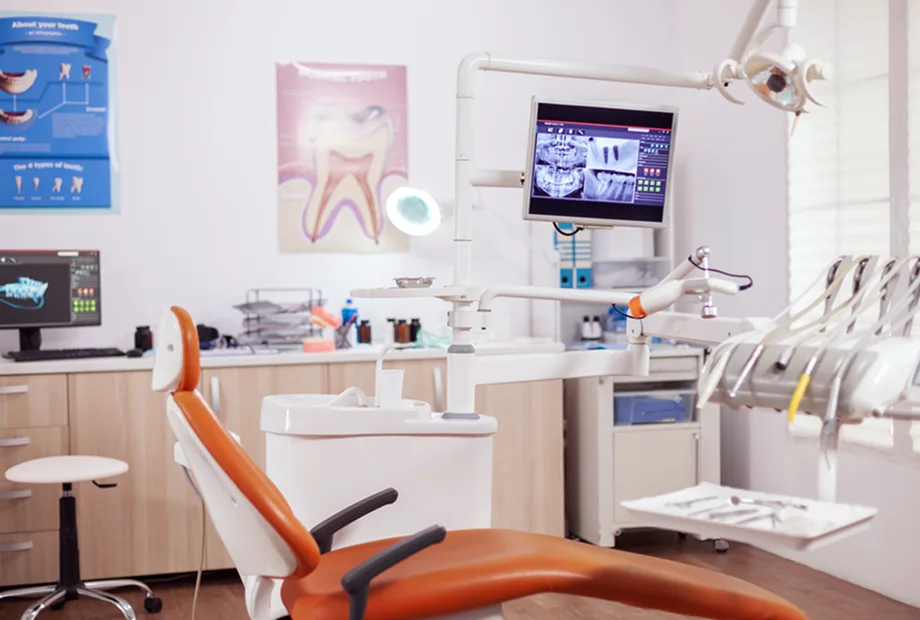
Opening your own dental practice is one of the most rewarding decisions a dentist can make. It is also one of the most complex. Between securing financing, finding the right location, navigating licensing requirements, and hiring staff, the path from idea to open doors involves a level of business planning that most dental programs never cover. Knowing what to expect before you begin can make the difference between a smooth launch and a costly series of avoidable setbacks
The good news is that dentists are among the most fundable small business owners in the country, and a strong support network of advisors can carry a significant share of the burden. At Wingspan Transitions, our buyer resources are designed to help dentists navigate every stage of entering practice ownership. The U.S. Small Business Administration offers several loan programs that dental practice startups commonly use, including the SBA 7(a) loan, which provides flexible financing for working capital, equipment, and leasehold improvements with terms up to ten years.
Build a Business Plan Before Anything Else
Every successful practice launch begins with a written business plan. This document is not just a formality for lenders, though it is required for most financing applications. It is the blueprint that forces you to think through your market, your services, your patient acquisition strategy, and your overhead structure before you spend a dollar.
A strong business plan covers projected startup costs, expected monthly overhead, break-even timelines, and staffing needs. Many new practices take three to five years to reach full stability, and planning for that financial runway from the start is essential. Skipping this step is one of the most common and costly mistakes new owners make.
Choose Your Location Strategically
Location is one of the most consequential decisions in the startup process, and it deserves serious demographic research rather than a gut feeling. Population density, household income levels, competition from existing practices, and lease terms all factor into whether a space will support a thriving practice over time.
Second-generation dental spaces, which are units already built out with plumbing, electrical, and cabinetry for clinical use, can dramatically reduce buildout costs and timelines compared to raw shell space. Understanding what is available in your target market and how to evaluate those options is part of the practice planning process that Wingspan supports for dentists entering the Texas market.
Secure Financing Early
Startup costs for a dental practice typically range from $350,000 to $600,000 or more depending on location, size, and equipment choices. Waiting until you have found a space to begin financing conversations is a mistake. Lenders need time, and having pre-approval in hand strengthens your negotiating position with landlords and vendors alike. Several financing vehicles are commonly used in dental practice startups:
- SBA 7(a) loans: Flexible financing for working capital, equipment, and acquisitions with terms up to ten years
- SBA 504 loans: Long-term, fixed-rate financing best suited for major equipment purchases or real estate
- Conventional dental-specific loans: Offered by banks that understand the dental industry’s low default rates and strong income potential
- Equipment financing: Dedicated lines for clinical technology, often structured separately from the main practice loan
Working with a lender who has specific dental practice experience will move the process faster and produce better terms than a general business lender.
Build Your Team and Your Systems
A practice is only as strong as the team behind it. Hiring the right front office staff, dental assistants, and hygienists takes longer than most new owners anticipate, particularly in competitive Texas markets. Beginning recruitment several months before your planned opening date gives you time to find the right people rather than settling for whoever is available.
As your practice grows, bringing on an associate dentist becomes an important lever for expanding capacity and revenue. Building the systems, documentation, and physical space to support that growth from the beginning makes the transition into a multi-provider practice far smoother when the time comes.
Connect With Wingspan Transitions Today
Opening a dental practice is the beginning of a long ownership journey, and the decisions made at launch shape outcomes for decades. Dentists who enter ownership with a clear business plan, the right financing structure, and a strong advisory team consistently build practices that are both more fulfilling to run and more valuable when it is eventually time to sell or transition.
Our team at Wingspan has helped dentists across Texas enter ownership with the right structure, the right location, and the right professionals in place from day one. Reach out to us today to schedule a consultation and get the guidance you need before you take the first step.