

If you face a sudden toothache, broken tooth, or knocked-out tooth in Dallas, act quickly to reduce pain and protect long-term oral health. You can get same-day emergency dental care in Dallas, TX that stabilizes the problem, relieves pain, and increases the chance of saving the tooth.
A neighborhood dental team will walk you through immediate steps, explain what to expect during an emergency visit, and offer modern, comfortable treatments tailored to urgent needs. Learn how to recognize true dental emergencies, what to do before you arrive, and how insurance and payment options typically work so you can get the right care without unnecessary delay.
Recognizing a Dental Emergency
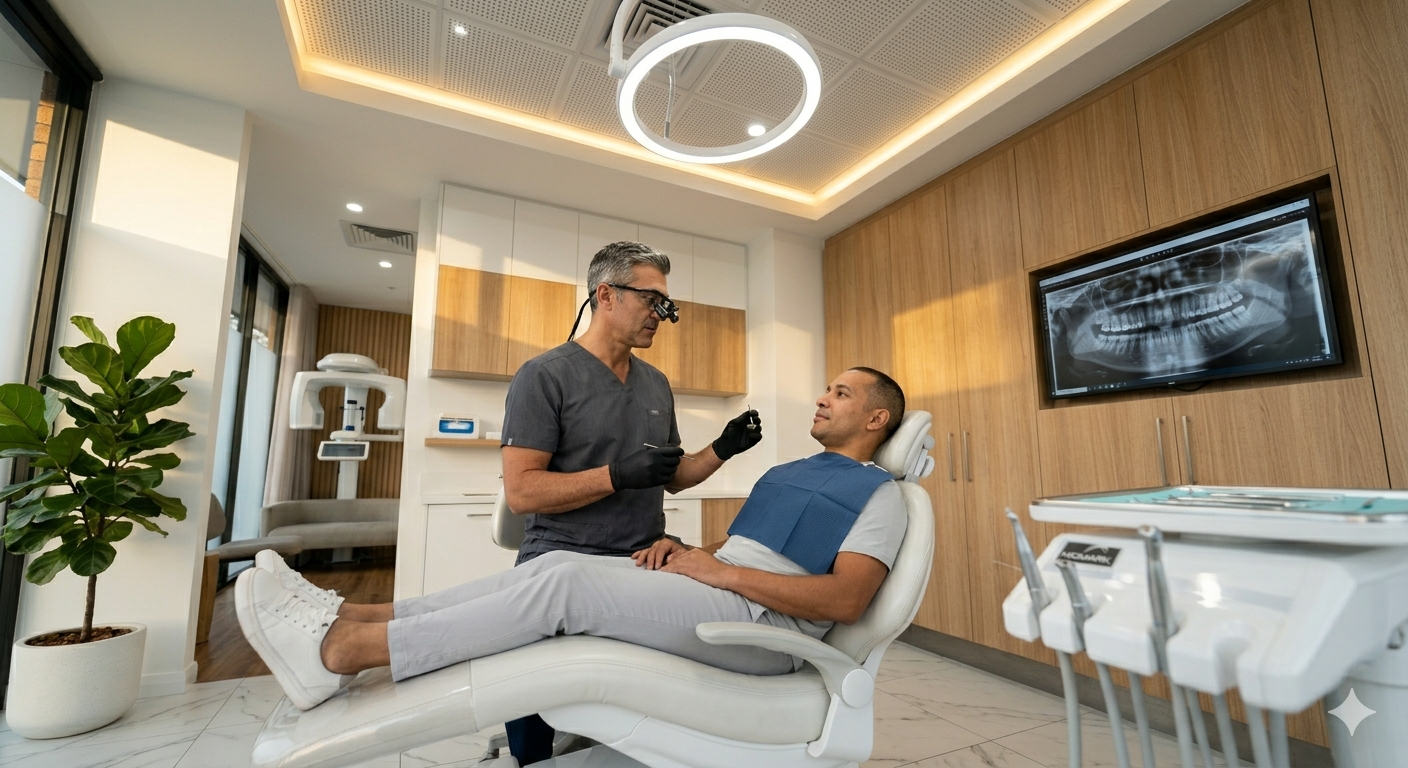
Patients should watch for sudden pain, uncontrolled bleeding, visible tooth damage, or swelling that affects breathing or swallowing. Quick identification helps get prompt care and reduces the risk of permanent damage.
Signs You Need Immediate Dental Care
Severe, unrelenting tooth pain that wakes a person from sleep or does not respond to over-the-counter pain relievers usually indicates infection or nerve involvement and requires same-day care.
A tooth that is completely knocked out (avulsed) needs immediate attention; keeping the tooth moist in milk or a tooth preservation kit and reaching a dentist within an hour improves the chance of reimplantation.
Heavy bleeding from the mouth after trauma, swelling that distorts the face, fever with oral pain, or difficulty breathing or swallowing are red flags for emergency treatment.
Sharp fragments of broken teeth or restorations that cut the tongue or cheek should be seen quickly to prevent infection and allow smoothing or temporary coverage.
Distinguishing Urgent vs. Non-Urgent Issues
Urgent problems cause severe pain, active bleeding, rapidly spreading swelling, or risk to breathing or general health. These deserve immediate or same-day dental or emergency room evaluation.
Non-urgent issues include chronic, low-level sensitivity, minor chips that do not cut soft tissue, or a lost filling without pain; these can usually wait a few days for a dentist appointment.
Use a simple checklist: intensity of pain, presence of bleeding, visible infection or pus, and functional impairment (chewing, speaking, breathing). Any item checked moves the problem into the urgent category.
When in doubt, calling a dental office for triage prevents delay; many practices in Dallas offer after-hours phone advice and emergency slots.
When to Seek Professional Help
Contact an emergency dental clinic or the patient’s regular dentist immediately for knocked-out teeth, uncontrollable bleeding, severe infection signs, or breathing/swallowing difficulty.
For severe toothache with fever or facial swelling, prompt evaluation can identify an abscess that may require drainage and antibiotics.
Bring information: time of injury, whether the tooth is permanent or a baby tooth, any medications, and photos if possible.
If the dental office is closed and the situation threatens airway or involves major facial trauma, go to the nearest emergency department. Otherwise, use after-hours dental services available in Dallas for same-day care.
Common Types of Dental Emergencies
Emergency dental problems often involve sudden pain, visible damage to teeth, or bleeding that requires quick action. Prompt professional care improves outcomes and preserves options like repair or re-implantation.
Toothaches and Severe Pain
Toothaches in Dallas frequently come from deep decay, a cracked tooth, or an infected nerve (pulpitis). Pain that is constant, wakes a person at night, or radiates to the jaw or ear usually signals an urgent infection that needs same-day evaluation.
Initial steps include rinsing with warm salt water, using over-the-counter ibuprofen as directed, and avoiding very hot or cold foods. Do not place aspirin directly on the gum; that can cause tissue damage.
The dentist will examine, take X-rays, and may drain an abscess, prescribe antibiotics, or perform a root canal to remove infected tissue. Pain control and infection management are prioritized to prevent spreading to adjacent teeth or facial spaces.
Follow-up often includes restoring the tooth with a crown after infection is controlled. Patients with diabetes or weakened immune systems should seek care sooner, as infections can progress more rapidly.
Broken or Chipped Teeth
Chips and fractures vary from minor enamel loss to large breaks exposing dentin or the pulp. Small chips can usually be smoothed or restored with composite bonding the same day. Larger fractures that expose the pulp are painful and increase risk of infection.
If a patient can, they should rinse with warm water, apply a cold compress to reduce swelling, and save any tooth fragments in milk or saline. Do not try to reattach fragments unless instructed by a dentist.
Treatment options include bonding, porcelain veneers, onlays, crowns, or root canal therapy if the pulp is involved. The dentist will assess bite alignment and may adjust restoration to prevent further fracture.
Timely repair restores function and appearance and reduces sensitivity and infection risk. Emergency clinics in Dallas typically prioritize fractured teeth that affect chewing or cause significant pain.
Knocked-Out Teeth
A tooth knocked completely out (avulsed) requires immediate action for the best chance of re-implantation. The critical window is within 30–60 minutes, though successful re-implantation can occur later with proper handling.
Handle the tooth by the crown only; avoid touching the root. If dirty, gently rinse under cold water for no more than 10 seconds. Place the tooth back into the socket if possible or store it in milk or a specialized tooth-preservation solution.
Patients should get to an emergency dentist or ER quickly; the dentist will attempt re-insertion, splint the tooth, and prescribe antibiotics and follow-up care. Success depends on the tooth’s condition, how it was stored, and the speed of treatment.
For children, seek care even if growth plate concerns exist—preserving the natural tooth can prevent future orthodontic or prosthetic needs.
Immediate Steps to Take Before Visiting a Dentist
Act quickly and stay calm. Focus on pain control, protecting any knocked-out tooth, and stopping bleeding to improve the chance of a good outcome.
Managing Pain at Home
They should rinse the mouth gently with warm water to remove debris and reduce bacterial load. Over-the-counter pain relievers like ibuprofen (200–400 mg every 4–6 hours as needed, not exceeding 1200 mg daily without medical advice) reduce inflammation and pain; acetaminophen is an alternative for those who cannot take NSAIDs.
Cold compresses applied to the cheek for 15–20 minutes on, 15–20 minutes off help reduce swelling and numb pain. Avoid placing heat on acute swelling. If a tooth is fractured with sharp edges, place a piece of sugarless gum or dental wax over the edge to protect the lip or tongue until dental care.
They should not place aspirin directly on a gum or tooth—this can burn tissue. If they have significant fever, facial swelling extending toward the eye, difficulty breathing, or uncontrolled pain, seek emergency care immediately.
Preserving a Lost Tooth
Handle a knocked-out tooth by the crown only; touching the root damages cells needed for re-implantation. If dirty, rinse gently with saline or milk for no more than 10 seconds—do not scrub or use soap.
Reposition the tooth into the socket if the person is conscious, calm, and able to do so; hold it in place by biting on gauze or a clean cloth. If reinsertion is not possible, store the tooth in cold milk, saline, or the patient’s saliva (inside the cheek) and get to the dentist within 30–60 minutes for the best chance of saving the tooth.
Avoid wrapping the tooth in tissue or cloth; dry storage reduces survival of the periodontal ligament cells. Bring the tooth to the appointment in a sealed container with milk or saline.
Controlling Bleeding
Have the person sit upright and lean slightly forward to avoid swallowing blood. Apply firm, continuous pressure with sterile gauze or a clean cloth directly to the bleeding site for 10–20 minutes without checking; repeated peeking can disrupt clot formation.
If bleeding continues after 20 minutes, replace the gauze and maintain pressure. A moistened tea bag (black tea) can help because tannic acid promotes clotting; press it gently in place for 10–15 minutes if available.
Avoid vigorous rinsing, spitting, or using a straw for 24 hours, as these actions can dislodge clots. If bleeding is heavy, persistent beyond an hour, or accompanied by dizziness or large blood loss, seek emergency medical attention.
What to Expect During an Emergency Appointment
Patients will receive a focused intake, prompt pain control, and a clear plan for diagnosis and next steps. Staff prioritize comfort, speed, and preserving teeth whenever possible.
Assessment and Diagnosis
The visit begins with a brief medical and dental history taken by a nurse or dental assistant to identify allergies, medications, and the timeline of the problem. A clinician performs a focused exam: inspection of soft tissues, palpation, percussion of teeth, and mobility testing to localize the source of pain or swelling.
Digital X-rays or a cone-beam CT are used when needed to evaluate fractures, root pathology, or extent of infection. Vital signs are checked if swelling or systemic symptoms appear. The dentist explains findings in plain language, shows images when possible, and outlines immediate risks like spreading infection or lost tooth vitality.
Treatment Options for Different Situations
For toothache from infection, the dentist typically offers local anesthesia, drainage if an abscess is present, and a prescription for antibiotics and pain control when warranted. Root canal therapy may be initiated the same day or scheduled within a short window; extraction is recommended if the tooth cannot be saved.
For a knocked-out tooth, immediate replantation is attempted within the hour when possible; the tooth is handled by the crown only, rinsed, and repositioned, then splinted. For fractured teeth, treatment ranges from smoothing and bonding for small chips to crowns or root canal therapy for deeper fractures. For lost fillings or crowns, temporary restorations protect the tooth until a definitive repair is done.
Aftercare Guidance
Staff review written and verbal aftercare instructions tailored to the procedure: pain control dosing, when to start/stop antibiotics, and signs that require urgent re-evaluation (fever, spreading swelling, uncontrolled bleeding). They advise on eating — soft foods for 24–72 hours after extractions or major restorations — and on oral hygiene adjustments like gentle brushing and salt rinses.
Follow-up scheduling is arranged before discharge, with clear timelines: 24–48 hour checks for infections or severe pain, 7–14 day splint removal or suture check, and a definitive restorative appointment within 1–4 weeks. Contact numbers for after-hours concerns are provided, and staff encourage calling with any new or worsening symptoms.
Availability of Emergency Dental Care in Dallas, TX
Dallas offers a mix of hospital-based emergency departments, dental clinics with same-day appointments, and after-hours urgent care focused on dental problems. Patients can usually access care for severe pain, knocked-out teeth, or swelling the same day, and many clinics provide evening and weekend slots.
Same-Day and After-Hours Services
Many Dallas dental practices hold reserved slots for same-day emergencies and extend hours into evenings and weekends. Larger practices and specialist endodontists frequently publish online appointment availability and keep on-call lines for tooth extractions, root canal starts, or severe infection management.
Hospital emergency departments treat dental trauma and spreading infections but often focus on pain control and antibiotics, then refer patients to a dentist for definitive treatment. Walk-in urgent care centers in Dallas sometimes handle dental pain but typically lack dental equipment for procedures like re-implanting avulsed teeth.
Call ahead when possible; describe symptoms clearly—uncontrolled bleeding, severe swelling affecting breathing, or a tooth completely knocked out warrant immediate transport to an ER. For severe pain without airway risk, contacting an on-call dentist or a clinic with evening hours can secure faster, procedure-capable care.
How to Find a Nearby Emergency Dentist
Start with local search terms: “emergency dentist Dallas” plus your ZIP code to surface clinics offering same-day slots and after-hours service. Use maps to compare distance, office hours, and patient reviews. Filter results for clinics listing “emergency appointments,” “after-hours,” or “on-call” on their websites.
Check state and city resources: the Texas Dental Association directory and Dallas County health websites list licensed practices and can confirm credentials. Call the clinic to ask about on-site X-rays, sedation options, and whether they handle trauma or only pain management.
Prepare a short checklist before calling: your ZIP code, nature and onset of symptoms, any medical conditions or medications, and whether the tooth is knocked out or fractured. This helps staff triage appropriately and tell the patient whether to come in immediately, go to an ER, or wait for the next available dental slot.
Modern Approaches to Managing Dental Emergencies
Patients can expect fast pain control, minimally invasive repairs, and digital tools that speed diagnosis and treatment planning. Many emergency clinics now combine local anesthesia techniques, sedation options, and same-day restorations with imaging and CAD/CAM workflows to shorten visits and improve outcomes.
Pain-Free Treatment Techniques
Clinics prioritize immediate, targeted anesthesia to stop pain quickly. Dentists use buffered local anesthetics and computer-controlled delivery systems (e.g., The Wand) to reduce injection discomfort and onset time. Topical anesthetics and long-acting formulations help numb soft tissues before injections, making the process gentler for anxious patients.
For more severe anxiety or extensive procedures, clinicians offer nitrous oxide or oral sedatives to keep patients calm yet responsive. In extreme cases, monitored IV sedation can be arranged through qualified providers. Emergency teams also employ pulpectomy or partial pulpotomy to remove inflamed nerve tissue and relieve severe toothache while preserving tooth structure when possible.
Technology for Fast Relief
Digital X-rays and cone-beam CT (CBCT) allow clinicians to identify fractures, root fractures, and abscesses within minutes, enabling precise treatment decisions. High-resolution intraoral cameras help document injuries and communicate findings with patients and specialists in real time.
Same-day CAD/CAM milling and 3D-printed temporaries let clinics restore broken crowns or fabricate custom splints during one visit. Laser therapy and photobiomodulation reduce inflammation and speed soft-tissue healing after trauma. Electronic patient records and teledentistry follow-ups streamline post-emergency care and reduce unnecessary return visits.
Tips for Preventing Dental Emergencies
Simple daily choices and a few protective measures greatly reduce the chance of sudden pain, broken teeth, or knocked-out teeth. Regular hygiene, timely dental care, and the right protective gear keep teeth functional and comfortable.
Healthy Habits for Stronger Teeth
They should brush twice daily with a fluoride toothpaste and a soft-bristled brush, spending two minutes each time to reach all surfaces. Flossing once a day removes plaque between teeth where cavities often start.
Eating patterns matter: limit sticky, sugary snacks and replace frequent sodas with water to lower acid attacks on enamel. Include calcium-rich foods like low-fat dairy, leafy greens, and fortified plant milks to support tooth and bone strength.
Routine dental visits every six months allow professional cleanings and early detection of cracks, decay, or loose fillings. If a patient grinds teeth at night, a dentist can prescribe a custom nightguard to prevent fractures and worn enamel. Smoking cessation also improves gum health and lowers infection risk that can lead to emergency extractions.
Protective Gear for Sports
They should wear a properly fitted mouthguard for any contact or high-impact sport—football, soccer, basketball, hockey, and skateboarding all pose risks. A custom-fit mouthguard made by a dentist offers the best protection and comfort compared with boil-and-bite or stock options.
For youth athletes, check the fit at the start of each season; growing mouths can make a once-good guard ineffective. Helmets and face shields add protection for sports with higher collision risk.
If braces are present, use a mouthguard designed for orthodontic appliances to prevent soft-tissue injury and bracket damage. Keep an extra mouthguard in the athletic bag and replace it after significant wear, a hard impact, or every season to maintain reliable protection.
Navigating Insurance and Payment Options
Patients often face bills after urgent dental care and need clear options for coverage, co-pays, and out-of-pocket costs. This section explains how typical Texas plans handle emergency visits and lists practical financing alternatives that local clinics commonly accept.
Understanding Coverage for Urgent Care
Most PPO and HMO plans cover emergency exams and pain relief, but benefits vary by network rules and visit location. For example, a PPO patient who goes to an out-of-network Dallas ER-style dental clinic may face higher deductibles and a larger coinsurance percentage than at an in-network urgent dental office.
Ask the clinic to verify benefits before treatment. Key items to confirm: emergency exam coverage, X-ray and imaging limits, surgical or extraction caps, and whether prescription analgesics are included. Keep your insurance ID, group number, and a contact number handy.
Workers’ compensation and Medicaid Texas Healthy Smiles have separate rules; emergency coverage often requires prior authorization or specific documentation. If the patient lacks coverage, clinics will usually provide an itemized estimate to submit for reimbursement later.
Alternative Financing Solutions
Many Dallas-area dental offices accept credit cards and Health Savings Accounts (HSA) or Flexible Spending Accounts (FSA) for immediate payment. HSAs and FSAs cover qualified medical expenses including extractions, root canals, and emergency exams; patients should confirm expense eligibility with their plan administrator.
For larger bills, clinics commonly offer in-house payment plans with fixed monthly installments and zero or low interest for a set term. Third-party financers such as CareCredit, LendingClub Patient Solutions, or Sunbit provide short-term and extended-payment options; approval times are typically instant and can be completed online in minutes.
Patients should compare interest rates, origination fees, and total repayment amounts before choosing a lender. Request a written treatment estimate and a clear repayment schedule from the dental office to avoid surprises.
Next Steps Toward a Healthy Smile
They should schedule an evaluation as soon as possible after any dental emergency. A prompt exam identifies urgent problems and helps plan comfortable, effective care.
Patients benefit from a clear treatment plan that balances immediate repairs with long-term health. The dentist will explain options like fillings, crowns, root canals, or extractions in plain language and estimate timing and costs.
Follow-up appointments matter for healing and prevention. Routine cleanings, fluoride treatments, and bite checks reduce the chance of repeat emergencies.
Home care supports professional treatment. Brushing twice daily with a fluoride toothpaste, daily flossing, and using a soft-bristled brush promote gum health and prevent decay.
They should keep a short list of emergency supplies at home: gauze, a cold pack, over-the-counter pain relievers, and the dental office phone number. This simple kit makes managing acute pain and swelling easier until they reach care.
Ask about sedation and comfort options if anxiety is a concern. Many Dallas clinics offer nitrous oxide, oral sedatives, or gentle chairside techniques to help nervous patients feel calm.
Insurance, payment plans, and financing options are available at most practices. The office staff can review coverage and propose affordable ways to complete recommended care.
Encourage them to call the clinic with questions or to book a visit. A friendly conversation can clarify next steps and set up timely treatment to protect their smile.
Frequently Asked Questions
This section covers when to seek immediate care, how quickly emergency dentists in Dallas can treat patients, safe at-home pain control, what to expect from emergency extractions, cost-saving options without insurance, and same-day care availability in nearby cities.
What counts as a true dental emergency, and when should I go in right away versus wait until morning?
A true dental emergency includes uncontrolled bleeding, severe facial swelling, broken teeth exposing nerve tissue, traumatic tooth avulsion (tooth completely knocked out), and intense pain that prevents sleeping or eating. These problems risk infection, permanent damage, or airway compromise and require immediate treatment.
Minor issues such as mild sensitivity, a small chip without pain, or a loose filling can usually wait for a morning appointment. If someone is unsure, calling an emergency dental line in Dallas for triage can clarify urgency.
Can I see an emergency dentist 24/7 in the Dallas area, and how quickly can I be seen?
Some Dallas dental clinics and hospital dental departments offer 24/7 phone triage and on-call dentists for true emergencies. Walk-in or same-day appointments are common during clinic hours; after-hours response times vary, with many clinics arranging urgent visits within 1–4 hours when available.
Call ahead when possible to confirm availability, expected wait times, and whether the clinic handles your specific issue or refers to a hospital.
What should I do at home to manage a severe toothache until I get to the dentist?
Rinse the mouth gently with warm salt water to reduce bacteria and soothe tissues. Use over-the-counter ibuprofen for pain and inflammation, following package dosing; avoid placing aspirin directly on the gum or tooth.
Apply a cold pack to the cheek in 15-minute intervals to decrease swelling and numb pain. Avoid very hot or cold foods, and sleep propped up to reduce pressure-related pain.
How does an emergency tooth extraction work, and will it help relieve the pain the same day?
An emergency extraction removes a tooth that is severely infected, fractured, or non-restorable to stop pain and prevent spreading infection. The dentist numbs the area with local anesthesia and may give IV or oral sedation if needed; the procedure often provides significant pain relief the same day once anesthesia and immediate inflammation resolve.
Patients receive aftercare instructions and usually antibiotics or pain medication if infection or severe pain was present. Follow-up visits check healing and discuss replacement options like implants or bridges.
What are my options for emergency dental care if I don’t have insurance or I’m worried about the cost?
Many Dallas-area clinics offer sliding-scale fees, payment plans, or emergency-only pricing to make urgent care affordable. Community health centers and dental schools provide lower-cost emergency services; dental schools often supervise students under licensed faculty.
Ask clinics about cash discounts, CareCredit and other medical financing, and whether they offer free or low-cost initial triage calls to determine necessary treatment before charging.
If I’m in a nearby city like Irving or Farmers Branch, can I still get same-day emergency treatment close to me?
Yes. Irving, Farmers Branch, and other Dallas suburbs have urgent-care dental clinics and general dentists who reserve same-day slots for emergencies. Many Dallas practices list service areas and accept patients from neighboring cities for urgent visits.
Call local clinics to confirm same-day availability, estimated wait times, and whether they handle your specific emergency or will refer you to a hospital or specialist.