

You face a dental emergency in Dallas and need clear, fast guidance you can trust. Find an emergency dentist in Dallas, TX who offers same-day care, pain control, and modern treatments to stabilize your situation and get you smiling again.
This article explains common dental crises you might encounter, when to seek urgent care, and what to expect during an emergency visit so you can act confidently. It also covers how to pick a local provider, prevention tips for your family, and how to contact a Dallas office for immediate help.
Common Dental Emergencies in Dallas
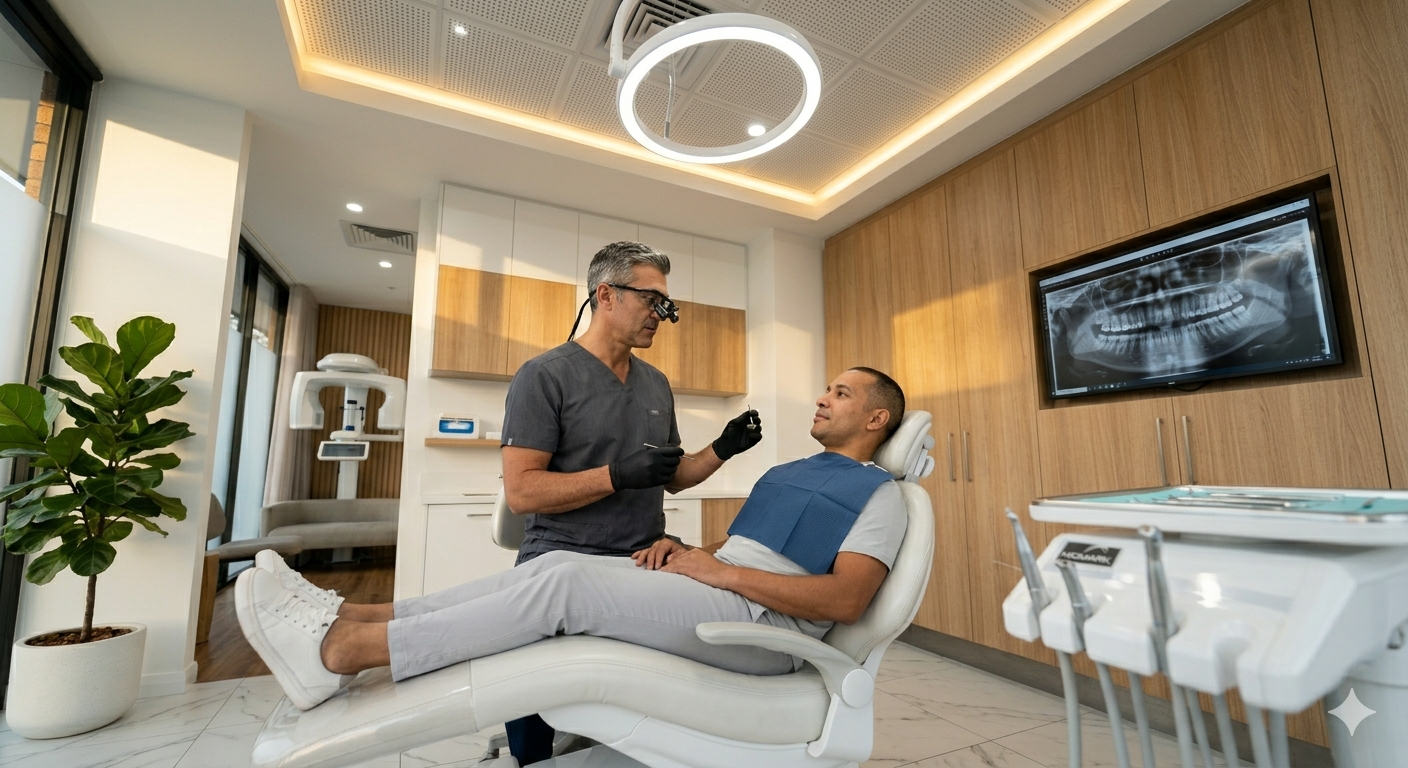
These emergencies often involve sharp pain, visible damage, or a tooth completely out of its socket. Quick action, proper first aid, and timely access to a local emergency dentist often determine the outcome.
Tooth Pain and Toothaches
Severe tooth pain can signal decay reaching the nerve, an abscess, or a cracked tooth. Patients may describe constant throbbing, sharp pain when biting, or sensitivity to hot and cold that lingers after stimuli stop.
Immediate steps include rinsing with warm salt water, using a cold compress for external swelling, and taking over-the-counter pain relievers per package directions. Avoid placing aspirin directly on gums or teeth. If swelling, fever, or spreading redness occurs, it likely indicates infection that requires prompt antibiotic treatment and definitive care like a root canal or extraction.
Dallas clinics often offer same-day slots for intense pain. Bring recent X-rays if available, list current medications, and note any allergy to antibiotics or anesthetics to speed diagnosis and treatment.
Broken or Chipped Teeth
A small chip may only need smoothing and a bonded composite, while larger fractures often require crowns or root canal therapy. Patients should collect any tooth fragments and rinse the mouth gently; do not pry into sharp edges.
Control bleeding with clean gauze and apply a cold pack to reduce swelling. Avoid hard foods and use dental wax to cover irritating edges temporarily. Pain indicates exposed dentin or nerve, which needs rapid evaluation to prevent infection.
Dallas restorative dentists use options from composite bonding to porcelain crowns and, when needed, dental implants. Fast assessment preserves tooth structure and improves cosmetic outcomes, so schedule treatment within 24–48 hours when possible.
Knocked-Out Teeth
Time is critical: a tooth reimplanted within 30–60 minutes has the best chance of survival. Hold the tooth by the crown, rinse debris with water gently, and try to reinsert it into the socket if the patient can do so without force.
If reinsertion isn’t possible, store the tooth in milk, saline, or the patient’s saliva—never in plain water. Control bleeding with gauze and get to an emergency dentist immediately. The dentist will attempt reimplantation and may splint the tooth, prescribe antibiotics, and recommend follow-up root canal treatment within days.
Children and adults need prompt X-rays and tetanus status review if the injury involved dirty objects. Dallas emergency practices coordinate urgent care and follow-up to maximize tooth retention and long-term function.
When to Seek Urgent Dental Care
This section explains which symptoms need fast professional care and simple, safe steps a person can take at home while arranging treatment. It emphasizes clear signs of danger and short-term measures to protect teeth and reduce pain.
Signs That Require Immediate Attention
Severe, unrelenting tooth pain that prevents sleeping or eating often indicates infection or a nerve problem and needs same-day evaluation. Pain that intensifies with heat, fever above 100.4°F (38°C), facial swelling, or difficulty breathing or swallowing suggests a spreading infection — call an emergency dentist or go to the ER.
A tooth knocked out (avulsed) requires action within 60 minutes for best chance of saving it. Handle the tooth by the crown, rinse gently without scrubbing, and try to reinsert if possible; otherwise store it in milk or saline. Heavy bleeding that won’t stop after 15–20 minutes of firm pressure or that follows trauma to the jaw also demands urgent care. Broken restorations causing sharp edges that cut the tongue or cheek should be seen promptly to prevent soft-tissue injury.
Home Remedies Until You See a Dentist
For pain, take over-the-counter ibuprofen or acetaminophen per label instructions unless contraindicated. Apply a cold pack to the cheek in 10–15 minute intervals to reduce swelling and numb pain; avoid placing ice directly on skin.
If a tooth is loose but not avulsed, avoid chewing on that side and eat soft foods like yogurt or mashed potatoes. For a ring of swelling or a draining gum boil, rinse gently with warm salt water (1/2 teaspoon salt in 8 oz water) three times daily to reduce bacteria. Use dental wax or orthodontic relief wax to cover sharp broken edges temporarily. Do not apply aspirin directly to the gum or tooth; that can cause tissue damage. Arrange an appointment immediately and convey the symptoms described so the office can prioritize care.
What to Expect During an Emergency Dental Visit
The visit prioritizes a quick, accurate diagnosis and immediate pain relief when possible. Patients can expect focused exams, targeted imaging, and a clear plan for treatment and follow-up care.
Initial Assessment and Diagnosis
On arrival, the team collects basic medical history and details about the injury or pain—when it started, how severe it is, and any related medical conditions or medications. Staff check vitals when needed and document allergies to local anesthesia or antibiotics.
The dentist performs a focused oral exam to inspect teeth, gums, soft tissues, and any visible trauma. They use targeted dental X-rays or a cone-beam CT scan if a root fracture, jaw injury, or abscess is suspected. Imaging helps determine whether immediate extraction, root canal, splinting, or referral to an oral surgeon is necessary.
The dentist explains findings in plain language, shows images when helpful, and outlines immediate steps plus options for definitive treatment. They confirm consent before proceeding and schedule definitive care or specialist referrals as required.
Comfort-Focused Pain Management
Pain control begins immediately with options tailored to the patient’s health profile and pain level: over-the-counter analgesics, prescription-strength NSAIDs, or short courses of opioids only when appropriate. For localized procedures, the dentist uses a topical anesthetic followed by a carefully dosed local anesthetic to numb the area.
If anxiety is significant, nitrous oxide (laughing gas) or oral sedatives may be offered after a brief medical screening. For severe infections, the dentist may start antibiotics and drainage, if indicated, to reduce pain and swelling before definitive treatment.
The team provides clear aftercare instructions—how to take medications, signs of worsening infection, and when to return. They arrange timely follow-up to complete treatment and monitor healing, emphasizing comfort and safety throughout the process.
Modern Treatment Options Available
Patients can expect fast, predictable care that prioritizes pain relief, tooth preservation, and function. Treatments range from same-day cosmetic and structural repairs to deep infection management and safe extractions.
Same-Day Restorations
Same-day restorations use in-office CAD/CAM milling and high-strength ceramic materials to produce crowns, onlays, and veneers in a single visit. The dentist scans the tooth with an intraoral scanner, designs the restoration using computer software, then mills and polishes a custom ceramic piece while the patient waits. This reduces treatment time, eliminates temporary crowns, and lowers the risk of contamination or fit problems between visits.
Clinics in Dallas that advertise same-day services typically use materials like lithium disilicate or zirconia for durability and natural appearance. Local examples often include digital shade-matching and immediate bonding protocols to ensure proper fit and bite. For emergency cases with a fractured or lost crown, same-day restoration can restore chewing function and protect the tooth structure quickly.
Root Canal Therapy
Root canal therapy removes infected pulp tissue from inside a tooth, disinfects the canals, and seals them to prevent re-infection. Emergency root canals focus on rapid pain control and elimination of acute infection; clinicians commonly use local anesthesia, modern rotary instruments, and ultrasonic irrigation for thorough cleaning. Intracanal medicaments and sealed temporary or permanent fillings follow to stabilize the tooth.
Post-treatment, most emergency root canal cases receive a protective restoration—often a crown—to prevent fracture and restore function. Antibiotics are reserved for spreading infection or systemic symptoms, not routine use. Patients should expect follow-up appointments for final restoration and bite adjustment within one to two weeks.
Tooth Extractions
Tooth extractions remove severely damaged or non-restorable teeth that cause pain, swelling, or infection. Emergency extractions prioritize safe, atraumatic techniques: local anesthesia or conscious sedation, careful forceps or elevator use, and socket cleaning. When infection is present, the dentist may perform incision and drainage or place gauze for hemostasis before extraction.
After extraction, clinicians provide clear aftercare: pain control options, cold-compress guidance, and instructions to avoid actions that dislodge the blood clot. For replacement planning, the practice discusses immediate versus delayed options—dental implants, fixed bridges, or removable partial dentures—based on bone health, timing, and the patient’s overall treatment goals.
How to Choose the Right Emergency Dental Provider in Dallas
Find a provider who treats severe pain, broken teeth, and infections promptly, uses modern diagnostic tools, and communicates costs clearly. Prioritize clinics that offer same-day care, transparent pricing, and a calm, patient-focused experience.
Key Qualities to Look For
Look for dentists with specific emergency experience, such as treating avulsed teeth, severe abscesses, and trauma from sports or falls. Verify credentials: active Texas dental license, board affiliations, and continuing education in emergency dentistry or oral surgery.
Check facility capabilities: on-site digital X-rays, cone beam CT when needed, and sedation options for anxious patients. Ask about infection-control standards and whether the clinic handles both temporary and definitive repairs, like bonding, crowns, or root canals.
Read recent patient reviews that mention wait times, pain control, and follow-up care. Confirm staff training in triage and ACLS/basic life support. These practical details predict faster relief and fewer repeat visits.
After-Hours Availability
Confirm exact after-hours structure: extended evening hours, weekend clinics, or an on-call dentist reachable by phone. Ask whether the on-call dentist performs procedures at the clinic or only provides phone triage and refers to a different facility.
Verify response times: typical callback within 30–60 minutes is reasonable for non-life-threatening emergencies. For severe bleeding or airway risk, instructs immediate ER transfer; a good dental practice will say so clearly.
Check walk-in policies vs. scheduled emergency slots. Clinics that reserve same-day appointment blocks ease access and reduce waiting in pain. Also confirm whether the provider coordinates directly with local ERs when hospital-level care is needed.
Insurance and Payment Flexibility
Confirm in-network status with major insurers used in Dallas, such as Delta Dental, Cigna, or UnitedHealthcare, and ask about pre-authorization for procedures like extractions or root canals. If out-of-network, request an itemized estimate to use for insurance reimbursement.
Ask about payment options: credit cards, CareCredit, and sliding-scale fees for uninsured patients. Many practices offer emergency pricing tiers—simple exam and palliative care versus definitive treatment—so clarify what each includes.
Check billing practices for after-hours visits: some clinics add an emergency surcharge. Request written estimates and a clear refund/adjustment policy for changed treatment plans to avoid unexpected costs.
If they provide a free insurance benefits check or treatment-plan financing at intake, that signals helpful administrative support.
Tips for Preventing Dental Emergencies
Teach patients simple daily habits that lower the risk of sudden tooth pain or injury. Brushing twice a day with fluoride toothpaste and flossing once daily removes plaque that can lead to infections and weakened teeth.
Recommend regular dental checkups every six months or as the dentist advises. Professional cleanings and exams catch small issues—like cracks or decay—before they become emergencies.
Advise wearing a mouthguard during sports or high?impact activities. A custom or well?fitted over?the?counter guard protects teeth from fractures and soft?tissue injuries.
Suggest avoiding chewing hard objects such as ice, pens, or popcorn kernels. These habits increase the chance of cracked teeth and lost fillings.
Encourage patients to manage grinding and clenching. A nightguard or stress?reduction techniques can prevent wear, fractures, and jaw pain that often require urgent care.
Highlight the importance of prompt attention to dental pain or swelling. Early treatment for abscesses or infections reduces complications and shortens recovery time.
Use these quick reference tips to keep smiles safe:
- Daily: Brush, floss, fluoride rinse as recommended.
- Sports: Wear a mouthguard.
- Habits: Stop chewing hard items; avoid using teeth as tools.
- Night: Consider a nightguard for grinding.
- Visits: Schedule regular dental exams.
If questions or concerns arise, suggest contacting a local emergency dentist in Dallas, TX for advice or to arrange a timely appointment.
Supporting Dallas Families Through Dental Crises
When a dental emergency happens, families need quick information and calm guidance. The clinic explains common issues—knocked-out teeth, severe pain, swelling—and gives clear first-aid steps to stabilize the situation before a visit.
They prioritize same-day or next-available appointments and coordinate care for children and older adults. Staff members speak plainly about treatment options, costs, and what to expect during procedures to reduce anxiety.
The practice focuses on comfort and modern solutions: local anesthesia, sedation options, and minimally invasive repairs when possible. Educational materials and demonstration tools help parents learn how to manage bleeding, preserve a tooth, or relieve pain at home safely.
Insurance navigation and flexible payment plans ease financial stress for many families. A simple checklist helps callers describe symptoms quickly and prepare for an appointment:
- Name and age of the patient
- Description of the problem and when it started
- Any relevant medical conditions or medications
They encourage follow-up care and preventive visits after an emergency to prevent recurrence. For questions or to schedule an urgent visit, the office invites families to call or use online booking for faster assistance.
Contacting a Local Dental Office for Immediate Help
When a dental emergency happens, the patient should call the closest dental office right away. They should explain symptoms clearly — pain level, bleeding, swelling, or knocked-out teeth — so staff can prioritize care.
If the office offers an emergency hotline or after-hours line, the patient should use that number first. Many Dallas practices post emergency instructions and direct numbers on their websites and social profiles.
Patients should be ready with basic details: name, date of birth, brief medical history, and any medications. Having this information speeds up triage and helps the team prepare appropriate treatment.
If the injury involves severe bleeding, difficulty breathing, or loss of consciousness, the patient must call 911 before contacting the dentist. For less severe but urgent issues, the dental office can often schedule same-day or next-available appointments.
Use this quick checklist when calling:
- State: “emergency” and describe main symptom.
- Provide contact and insurance info.
- Ask about wait times, expected costs, and whether to come straight in.
When in doubt, the patient should err on the side of prompt contact. The dental team in Dallas aims to reassure, stabilize pain, and arrange follow-up care quickly.
Frequently Asked Questions
This section answers common, practical concerns about urgent dental problems in Dallas, including when to seek immediate care, after-hours options, home first aid, emergency-room capabilities, what an urgent extraction involves, and low-cost care choices.
What counts as a true dental emergency, and when should I get seen right away?
A true dental emergency includes uncontrolled bleeding, severe swelling that affects breathing or swallowing, a knocked-out tooth, or intense pain unrelieved by OTC pain medicine. Patients should seek same-day care for these issues to prevent permanent damage or airway compromise.
Moderate-to-severe tooth pain with fever, spreading facial swelling, or a bad infection that won’t respond to home care also requires prompt attention. Small chips, minor sensitivity, or a lost filling can usually wait for a scheduled appointment.
Can I see a dentist for urgent care after hours or on weekends?
Many Dallas dental clinics offer after-hours or weekend emergency appointments, and some maintain rotating on-call dentists. Call the clinic’s emergency line or check its website to confirm availability and whether they accept walk-ins.
Hospital-affiliated dental clinics and 24/7 urgent dental centers provide extended hours for true emergencies. If a practice is closed, voicemail or an online triage form often directs patients to the nearest open provider.
What should I do at home if I have a severe toothache and can’t get in immediately?
Rinse gently with warm salt water to reduce bacteria and soothe tissues, and use over-the-counter ibuprofen or acetaminophen according to the label for pain control. Apply a cold pack to the outside cheek for 10–15 minutes at a time to reduce swelling.
Avoid placing aspirin directly on the gum or tooth. If there is visible swelling, fever, or difficulty breathing or swallowing, seek emergency care immediately—home measures are only temporary.
Will the emergency room help with a tooth problem, and what can they actually do?
ERs can manage severe pain, control infection with IV or oral antibiotics, and treat airway-threatening swelling. They rarely provide definitive dental work like root canals or extractions, so follow-up with a dentist is almost always necessary.
ERs are appropriate when a dental problem causes systemic illness, trauma with other injuries, or the risk of airway compromise. For isolated tooth pain without systemic signs, direct dental urgent care is usually faster and more cost-effective.
How does an urgent tooth extraction work, and what can I expect during and after the visit?
The dentist will examine the tooth, take X-rays if needed, administer local anesthesia, and extract the tooth using forceps or elevators. Procedures for fractured or impacted teeth may take longer and sometimes require referral to an oral surgeon.
After extraction, patients should bite a gauze pad for 30–60 minutes to control bleeding, avoid vigorous rinsing for 24 hours, and follow a soft-food diet. Dentists typically prescribe pain medication and give clear aftercare instructions to minimize dry socket and other complications.
What are my options for urgent dental care if I don’t have dental insurance?
Community dental clinics, dental schools, and charitable clinics in Dallas offer low-cost or sliding-scale emergency care. Some urgent dental offices provide payment plans, cash discounts, or single-visit emergency pricing.
Patients can also call local clinics for advice—many will triage over the phone and recommend affordable immediate steps, or direct patients to programs that help cover emergency dental expenses.